



TORREVIEJA
The name of the city of Torrevieja means “the old tower” (La Torre Vieja). There has always been a watchtower in the area. However, the current tower on the highest point of the city, i.e. on the Torre del Moro hill, which has become a symbol of the city, was built only in the mid-1990s.
In 1996, Torrevieja’s population exceeded 50,000 inhabitants, when it became a city according to EU standards.
In May 2010, the city already had 102,658 registered residents, who represented a total of 117 nationalities. At the turn of the year 2010/2011, the population was 103,540. However, during the most important holiday season, i.e. August, it is estimated that there are almost a million people in the city.
The area of the city of Torrevieja is 72 square kilometers, of which the salt lakes account for 37 square kilometers. From Torrevieja, it is 445 km to Madrid, 570 km to Barcelona, 217 km to Valencia and 46 km to Murcia.
-
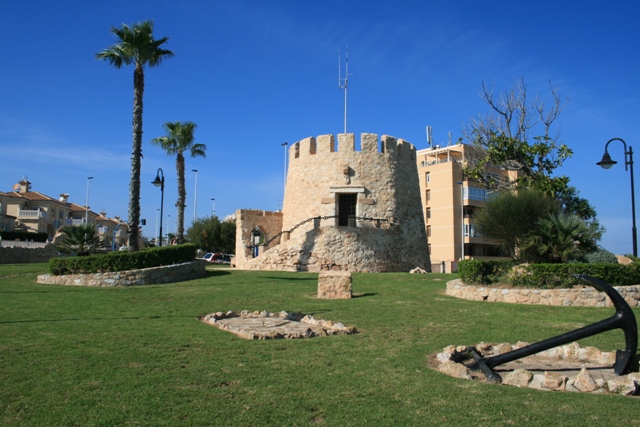
- El Torre Viejo “The Old Tower”
-
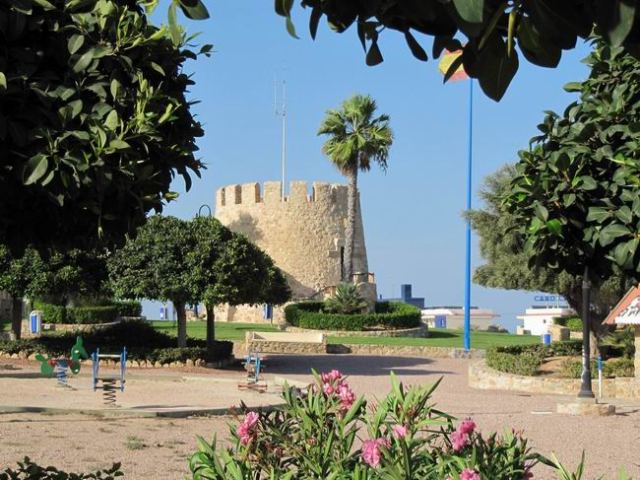
- El Torre Viejo “The Old Tower”
On February 4, 1931, King Alfonso XIII authorized Torrevieja to use the name of the city. The city of Torrevieja celebrated its 75th anniversary on February 4, 2006. At the celebration, Mayor Pedro Hernández Mateo handed out a commemorative diploma to every living citizen born in Torrevieja in 1931, i.e. a total of 71 people. The commemorative diploma had a picture of Torrevieja from 1931.
Torrevieja is dominated by two large salt lakes, “Las Salinas”. The salt lakes make Torrevieja’s small climate (“microclimate”) unique in the world. They say it’s “easy to breathe” in Torrevieja.
In 1766, salt was first evaporated from seawater in the area. Torrevieja got its name in 1803, since then there has been a salt factory in the town. The Torrevieja salt factory is the largest salt producer in Europe and the second largest in the world. It employs nearly 500 people.
The smaller of the salt lakes, Laguna de la Mata, is now a nature park, but the larger one, Laguna de Torrevieja, is still used for salt extraction. In a way, La Mata’s pool is also used for salt extraction, because seawater is led to Laguna de Torrevieja through it. The salt is mechanically evaporated for 10 months of the year. Refined salt is stored in large piles, salt mountains, which are locally called “garberas”. The Torrevieja salt factory changed hands in 2005 and the previously organized guided tours were not possible, at least not yet in autumn 2010.
In the city center is the Museo del Mar y de la Sal (“Museum of the Sea and Salt”), where you can learn about the history of salt production and export. There is no entrance fee to the museum. The address is Calle Patricio Perez, 10.
Many go to wash in the salt lake, because its water has beneficial effects on skin symptoms. The depth of the lake is at most 80 cm and only about 10-20 cm from the shores, so it is easy to “walk” in the lake on the hard salt bottom. Cracked heels are repaired for a long time as a result of even a small amount of walking. The lake is mostly fenced off, but for example in the neighborhood of Torreta there are several gates through which you can go to the shore.
-
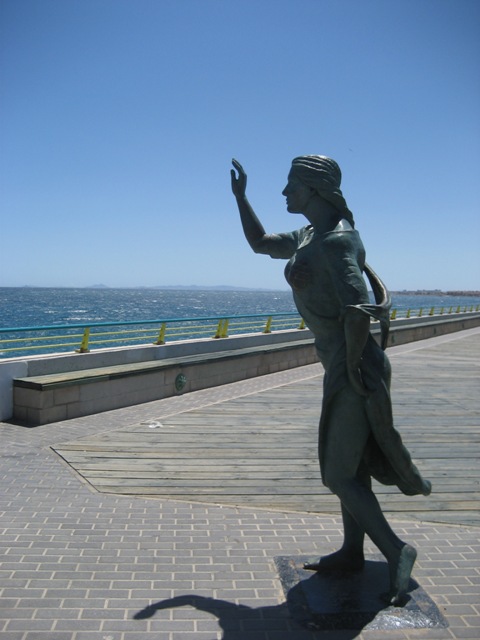
- Promenade
-
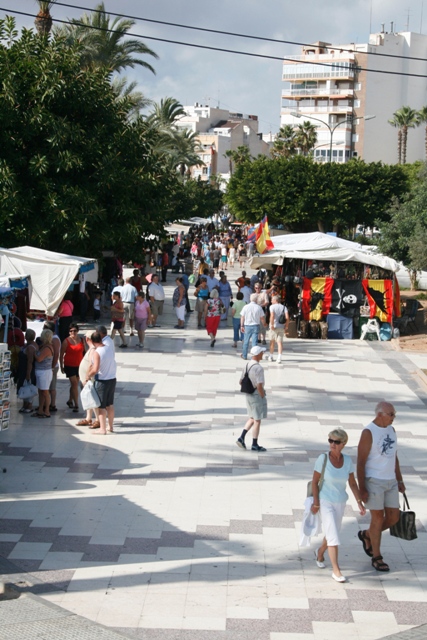
- Promenade
Torrevieja is known as the place through which the atmospheric habaneras music from the islands of the Caribbean Sea came to Europe with the sailors who shipped salt. In honor of that, the city organizes the two-week Habaneras festival every year in August.
All self-respecting towns in Spain have at least four Fiestas a year, so in addition to the Habaneras festivals, many other annual celebrations are also celebrated in Torrevieja.
Around the 16th of July, the day of St. Carmen (“Virgen del Carmen”) is celebrated. He is the patron saint of fishermen and seafarers, which is why the festivities have a nautical theme.
At the beginning of December, during the Holy Ancestors’ Weeks (“Fiestas de Patronales”), there is the Flower Festival (“Ofrenda Floral”), when local shops, educational institutions, associations and clubs make incredibly beautiful flower arrangements and bouquets for the patron saints of the city. They are carried in a procession to the steps of the church, where the statue of the Virgin is brought to admire the flowers. The most beautiful floral arrangement is voted on. The maker of the winning floral arrangement receives a certificate of honor, which is highly valued. In February,
Torrevieja’s carnival, “El Carneval”, is celebrated. The parade of the closing procession of the carnival may take several hours! You should rent a seat for yourself from the chairs carried along the street for the duration of the procession .
In May, there are Sevillanas days, when sevillanas dances with complex step patterns are danced in the streets and tents have been set up in the city, where representatives of the city’s business life invite their customers to eat and drink.
Do you want to read how Christmas is celebrated in Spain?
In the province of Valencia, Easter has more festive traditions than usual. At Easter time, many stores may spend several days, even a couple of weeks, on vacation. The city of Torrevieja has the Easter Museum, Museo de Semana Santa, where all the icons and sculptures carried in the Easter procession are stored. Visiting the museum is free, unless you want to give a small monetary gift to the museum, which is maintained by volunteers. There is a small box on the doorpost for that.
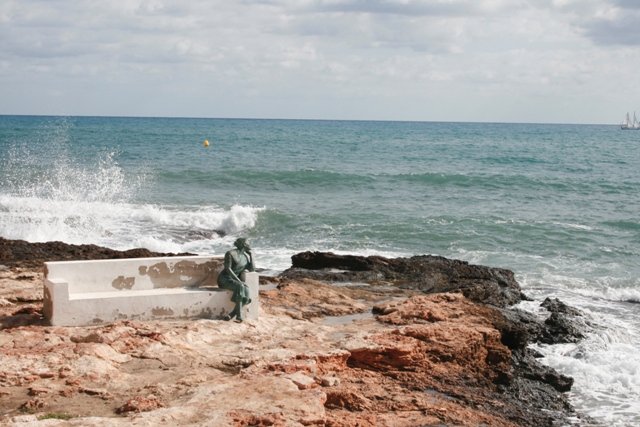
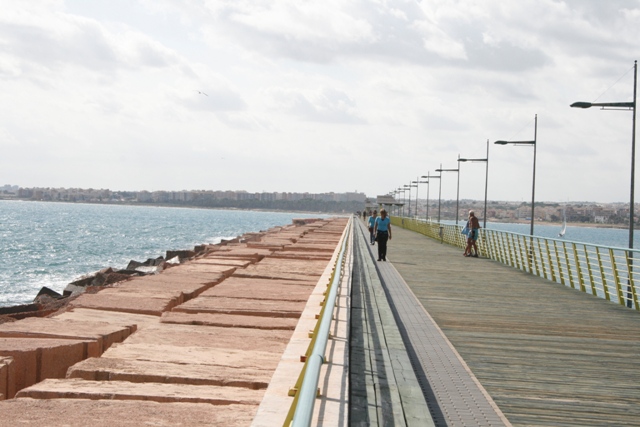
Large holiday apartment areas border the old center of the city, which in recent years has been rapidly renovated from one-story white-plastered buildings to six-story apartment buildings. However, the streets have not been widened, but are still narrow, inherited from the days of the fishing and salt factory village.
When the city is intended for vacationers, there is everything that a demanding and able-to-pay vacationer could possibly need. The product selections of the city’s shops are very versatile.
There are five major golf centers in the area (Villamartin, Campoamor, Las Ramblas, La Marquesa and La Finca).
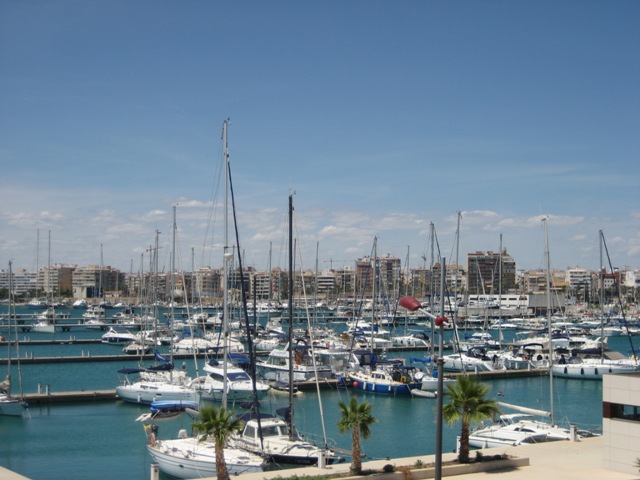
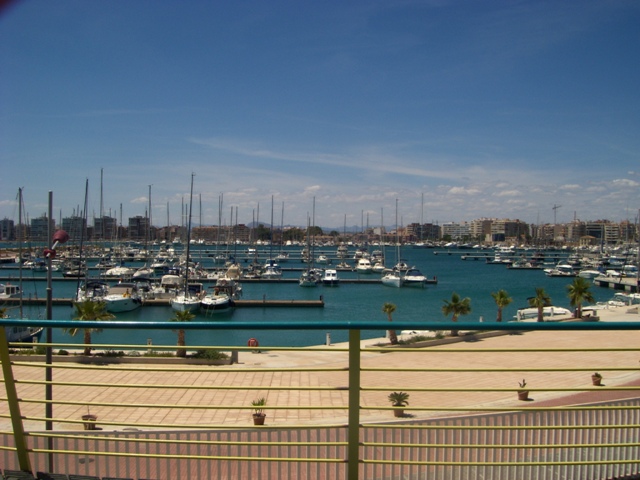
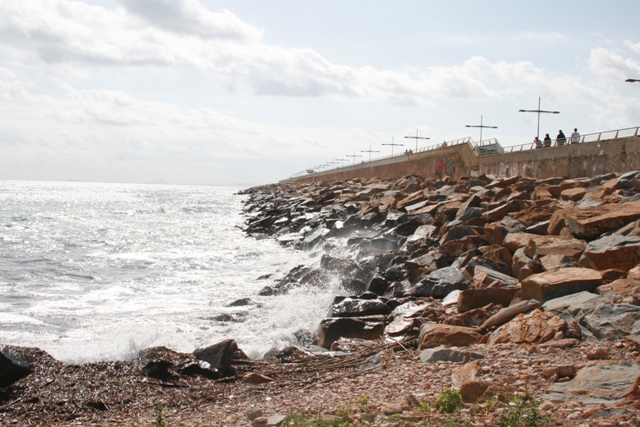
The city’s marina is the largest in the Mediterranean region and is protected by a long breakwater.
The maximum depth on the entrance channel is no less than 9 meters. The local sailing club house Real Club Nautico serves boaters in every way. Docks and boats are also available for rent. When renting boats, an open sea sailor’s book must be presented.
There are also a few significant equestrian centers in the area. Our customers have recommended e.g. El Refugio -riding center, which is located slightly from La Mata towards Guardamar. Diving is a hobby. Information for enthusiasts: harpoon fishing in the waters of the area is prohibited.
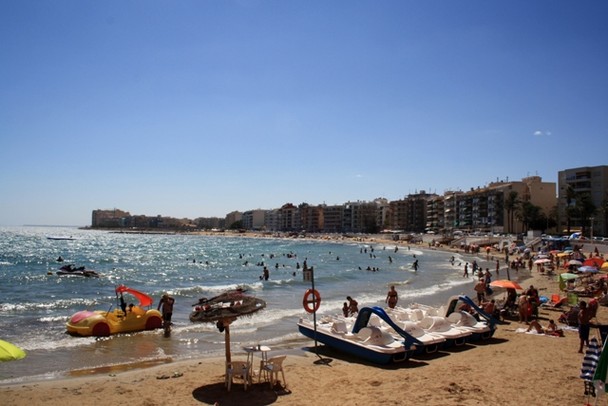
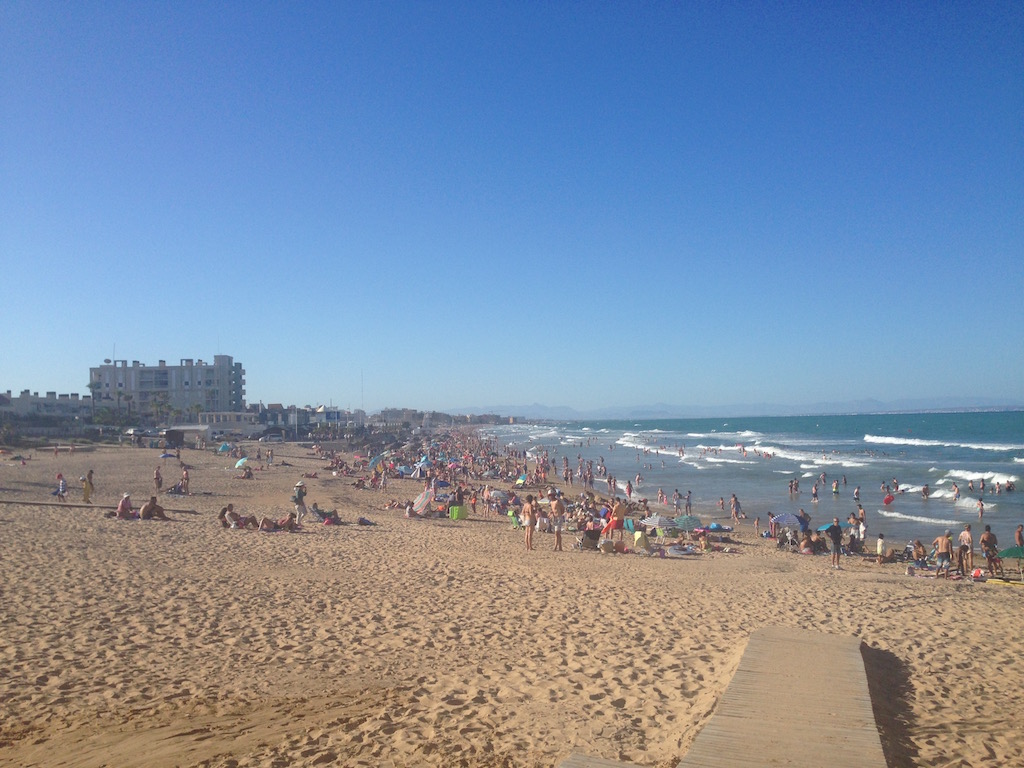
There are several beaches in the city area, all of which are high-quality sandy beaches. Starting from the south, the first is Playa de la Punta Prima, right at the city border, then the beaches on both sides of the salt harbor are Playa de los Naufragos (“Wrecked Beach”) (formerly Playa de Poniente) and Playa del Acequión (“Canal Beach”). Right in the heart of the city is Playa del Cura (“Priest’s Beach”), where the wonderful Paseo Maritimo promenade leads. Next is the spacious Playa de los Locos (“Beach of the Funny”) (formerly Playa del Salaret), where there is also a wide range of restaurants near the beach. The longest of the sandy beaches is Playa de la Mata (“Bush Beach”), which in Torrevieja is more than three kilometers long and actually continues continuously until the town of Guardamar del Segura, eleven kilometers away. All beaches in Torrevieja have received the European clean water blue flag.
The city also has a water park “Aquopolis ” open during the summer . Orihuela Costa’s Go Kart karting
track offers speed for the holidays . Things to do and see in the nearby areas: Elche Zoo Rio Safari Tabarca Island Worth seeing and experiencing Guadalest ! Salvador Artesano in Elche offers entertainment for the avid shoe shopper . If you are on vacation in Torrevieja for a longer period of time and you have become familiar with the sights of the nearby area, then a few hours’ drive away at Oceanografic in Valencia, there is something for the whole family to see. Attached are some more pictures from the Torrevieja area:
-
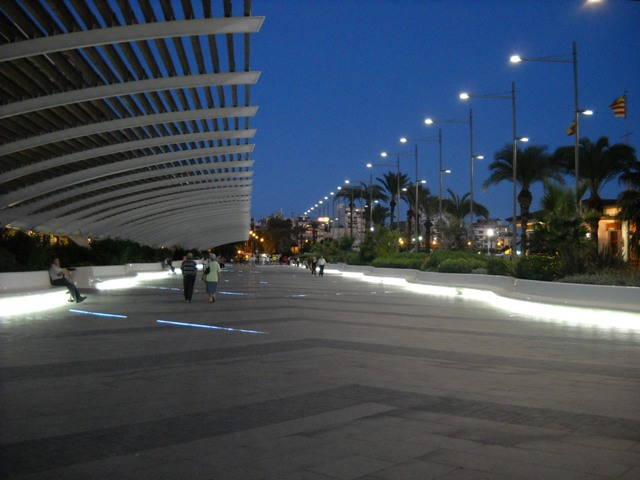
- Walking on the street in the evening
-
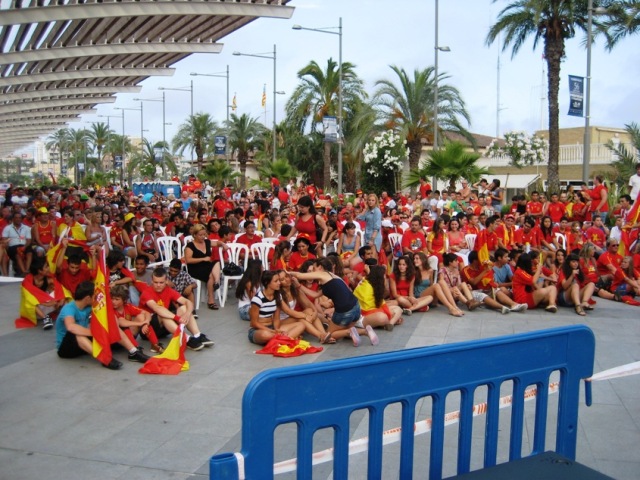
- The result of the World Cup match (2011)
-
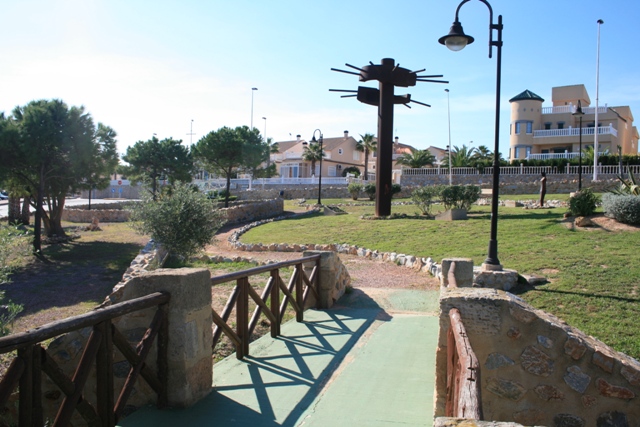
- La Mata
-
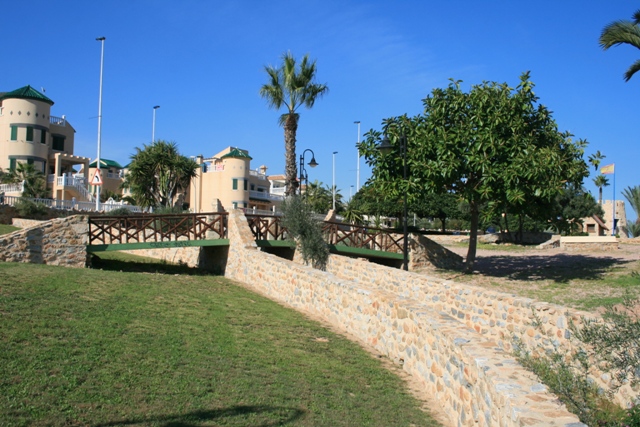
- La Mata
-
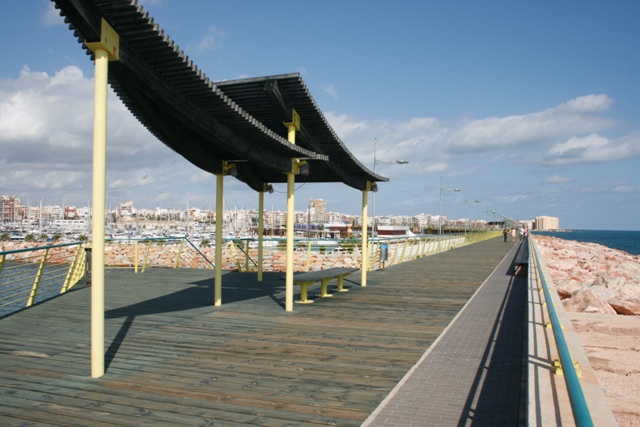
- Promenade
-
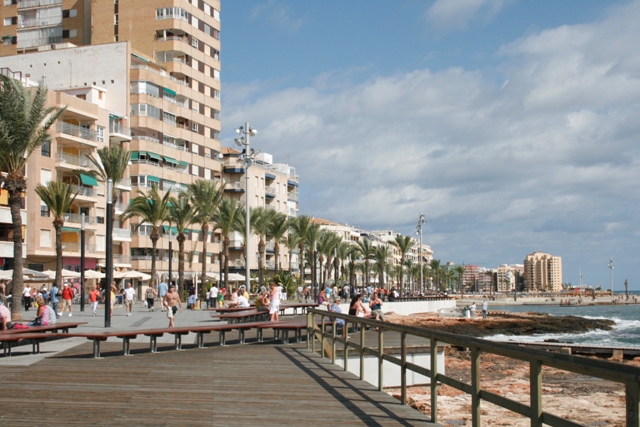
- From the breakwater
-
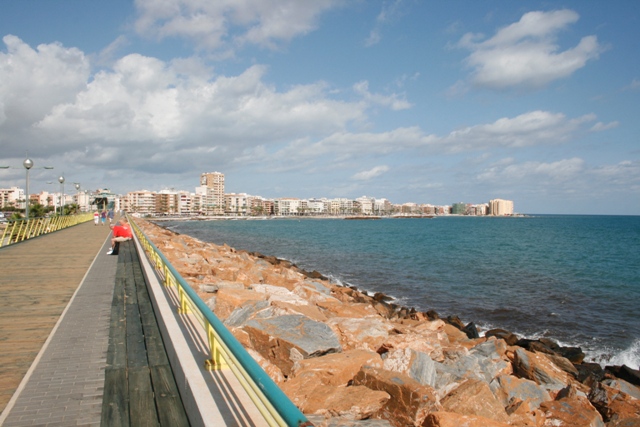
- From the breakwater
-
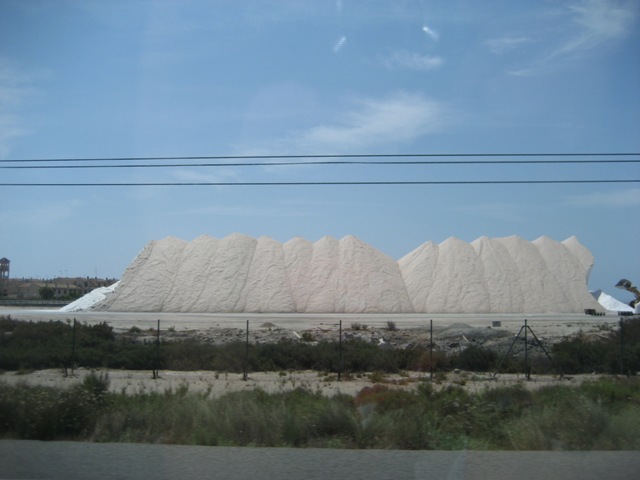
- “Salt Mountains”
-
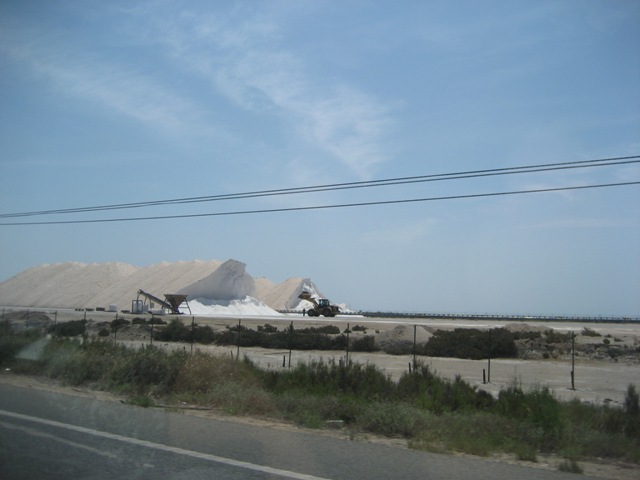
- “Salt Mountains”
CONTACT INFORMATION
E-mail: info@rantuurent.com
Rentals, invoicing:
Hanka Uleksin
Housekeeping and janitorial services:
Mon – Fri 09:00 – 16:00
Tel. +34 652 295 061
Jaak Uleksin